A single phone line
One line for paper wasps, hornets and yellow jackets.
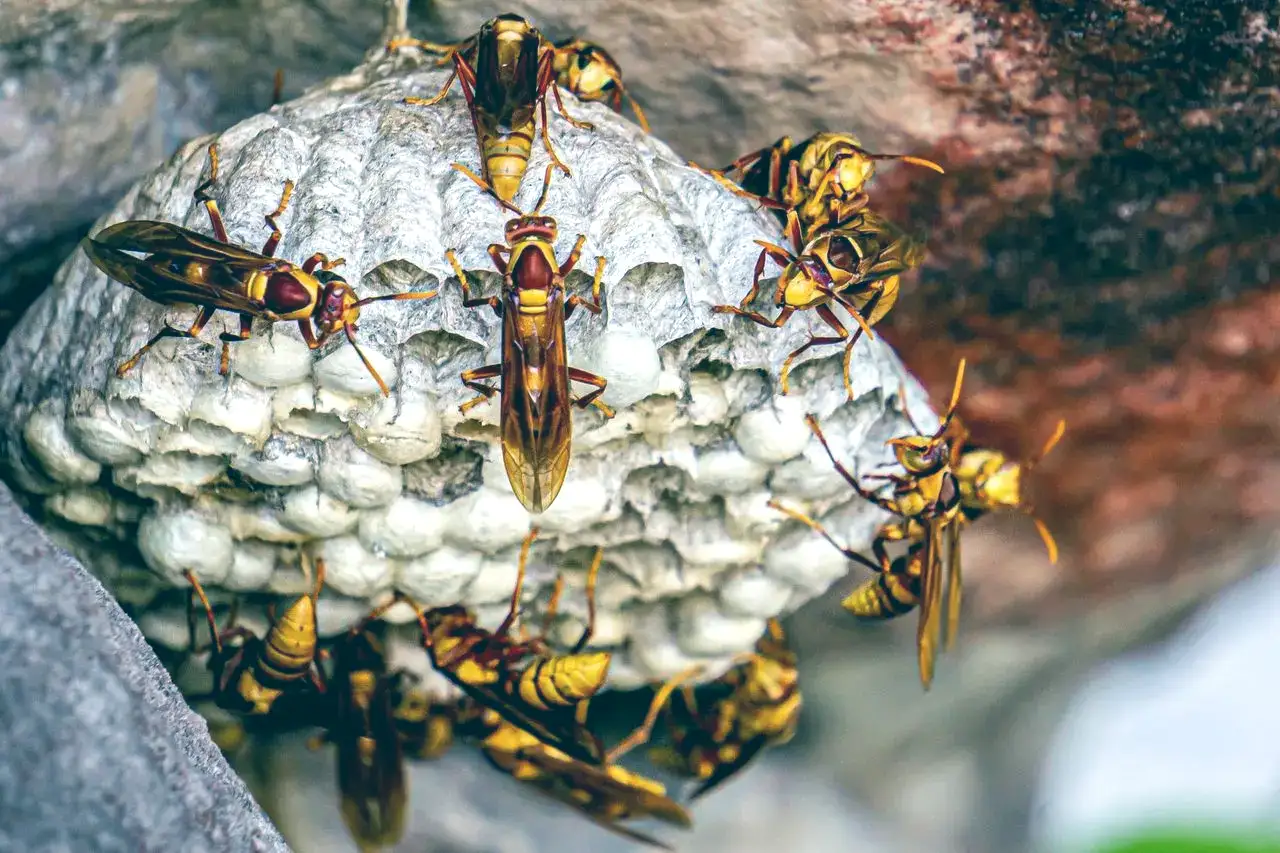
WaspNestRemovalPasadenaTX.com puts people in Pasadena, TX in touch with a provider for paper wasp, hornet and yellow jacket nests. Every call goes to an independent local business. This site is not a contractor, performs no work and does not vouch for any provider.
One line for paper wasps, hornets and yellow jackets.
Ask the provider to name the insect before treatment.
Your call goes to a provider serving your ZIP code.
Find the company on TDA’s current-license list.
The goal is a single, plain number for anyone in Pasadena who finds a nest and is unsure who to phone. A call-tracking service routes the call, which may be recorded, to an independent provider working in the city. That provider chooses when to come out, what the job costs and how the nest is treated, and you stay free to say no. Before calling, note where the nest is, its rough size and height, and whether anyone in the household reacts badly to stings. Renters should tell the landlord or manager too.
The site has firm limits. No nest is ever inspected or treated by it, it names no costs, and it warrants no provider’s work. Honey bees are outside its scope: the Texas Apiary Inspection Service keeps a Harris County list of registered beekeepers who do bee removals. Coverage runs from Stadium Estates to Baywood Oaks across 77502, 77503, 77504, 77505 and the Pasadena part of 77506. Before work starts, find the company on the Texas Department of Agriculture’s current-license list for structural pest control.
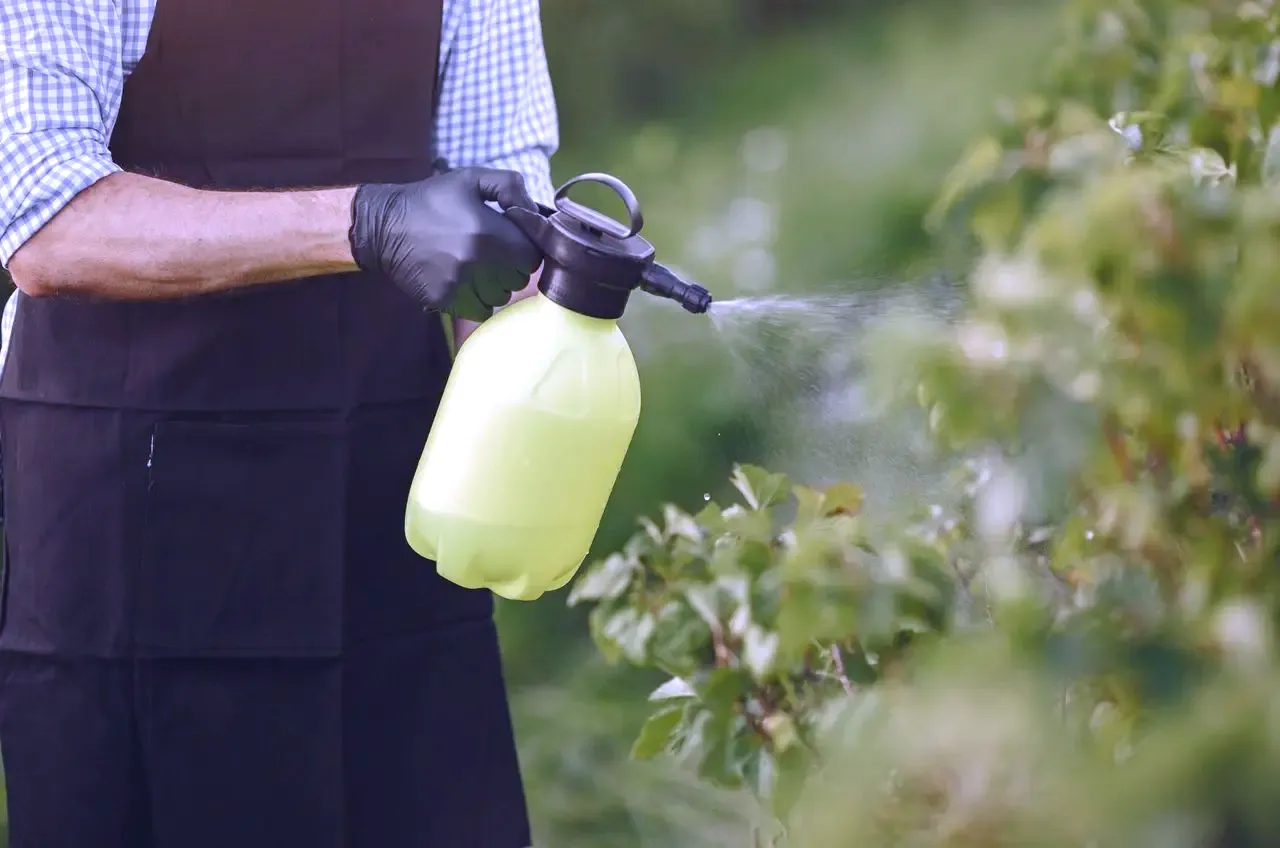
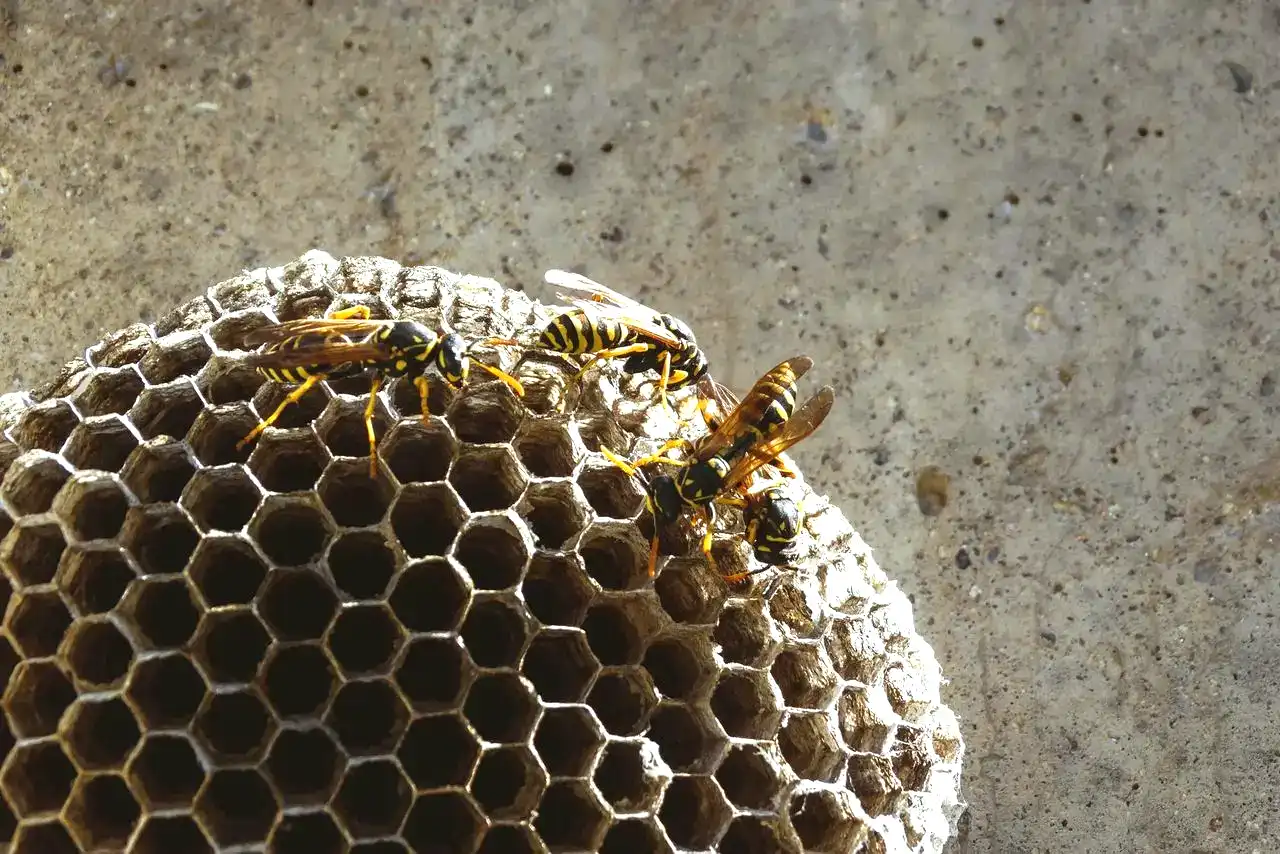
Wasp nests are easy to underrate. AgriLife notes that in a mild winter a yellow jacket nest may not be abandoned and can keep growing. An AgriLife entomologist says established yellow jacket and hornet colonies should be handled by professionals. This site gives Pasadena callers a direct line to an independent provider, plus questions worth asking: which insect it is, how it will be treated, whether the nest is taken down afterward, what happens to a wall opening and whether a second visit is planned. Booking is your decision.

What the line handles, what it leaves to the provider and what it will never promise, laid out so no part of a call catches you off guard.
This site does not issue, hold or review pest control licenses. In Texas, the Department of Agriculture’s Structural Pest Control Service licenses businesses, certified applicators and technicians and publishes current-license lists. Find the provider on one of those lists before the visit, and ask about insurance.
The line takes calls for addresses in 77502, 77503, 77504, 77505 and the Pasadena part of 77506. Parts of 77506 outside Pasadena city limits are not covered. Calls are connected 6 a.m. to midnight Central Time (7 a.m. to 1 a.m. during daylight saving time).
When a provider answers, ask which insect built the nest, how it will be treated, whether the empty nest gets removed, what to do about a wall opening and whether a return trip is included. Ask what drives the cost as well, and write the answers down.
Paper wasp queens often start over in the same general area the following spring, and yellow jacket colonies grow until late summer, so some providers recommend coming back after a nest is treated. Ask what a return trip covers, when it would happen and whether it is part of the cost.
This is a referral site, not a pest control company. Nobody behind it is an entomologist or a licensed applicator, and nobody claims to be. Dial (000) 000-0000 and a call-tracking service links you with an independent provider that works in Pasadena. All of the practical work belongs to that provider: tracking down the nest and its openings, sorting paper wasps from hornets or yellow jackets, treating the colony, removing the nest when it is safe and closing off the entry point. Scheduling, cost and method are the provider’s calls. Each contractor is independent, this site warrants no work, and making sure the provider carries the license and insurance the job needs is your responsibility.
These are not reviews or testimonials. Each sketch shows a kind of nest found around Pasadena homes and the step that usually follows.
A homeowner sees paper wasps landing on an open, palm-sized gray comb tucked under the eave by the side door. The usual move is to use another door for now, photograph the nest from well back, and let a provider confirm the insect and treat it early or late in the day.
A tenant writes to the landlord that wasps keep circling a soffit over the garage. The tenant stays away from it, the landlord lets the provider in, and the provider confirms the nest, treats it and looks along the rest of the roofline for more nests.
Two parents notice yellow jackets pouring out of a hole near their children’s swing set. The common advice is to keep the kids and the mower well away, mark the spot from a distance, and have a provider treat the nest. Anyone who has trouble breathing after a sting needs 911.
Calling the number above routes you through a call-tracking service to an independent provider serving Pasadena, and the call may be recorded. Calls are connected 6 a.m. to midnight Central Time (7 a.m. to 1 a.m. during daylight saving time). You and the provider settle the timing and the cost between you.