A single phone line
One line for paper wasps, hornets and yellow jackets.
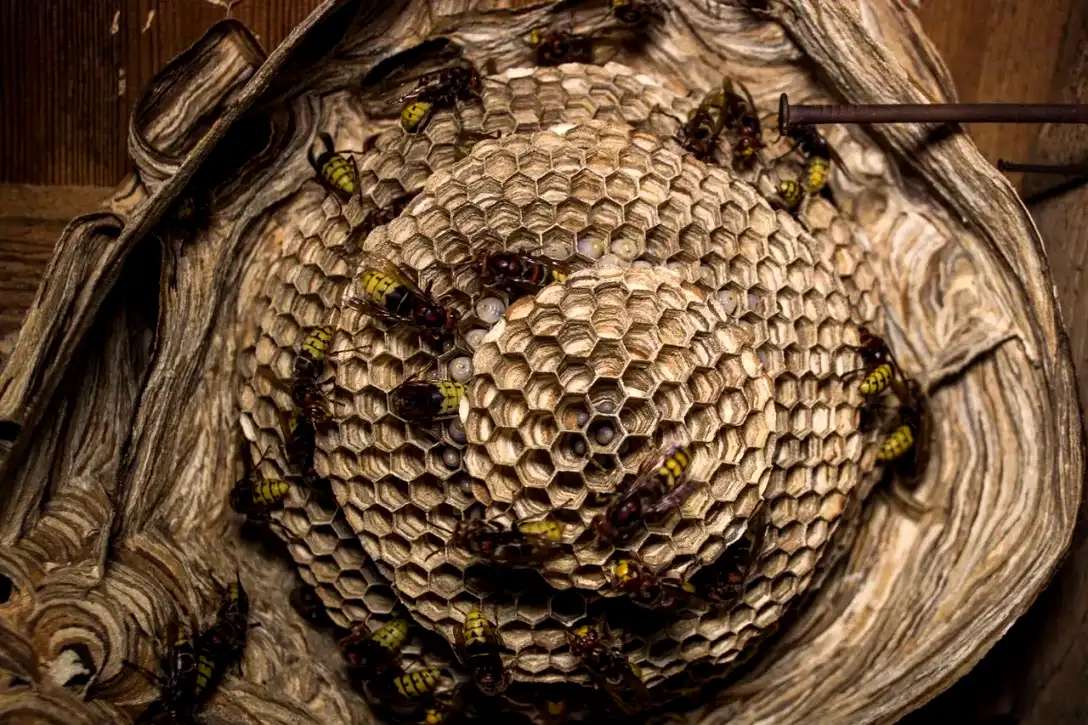
Yellow jacket nest removal in Pasadena, TX begins with the entrance, since most colonies stay hidden: in a hole in the lawn, along a flower bed, under a slab edge or inside a wall void. Texas A&M AgriLife says colonies hit their largest size by August or September, the months when mowing and yard play most often stir one up. If black-and-yellow wasps keep flying into the same spot, move people and pets back and call the referral line. The call goes to an independent local provider, who checks the site, explains the approach and sets the visit time.
One line for paper wasps, hornets and yellow jackets.
Ask the provider to name the insect before treatment.
Your call goes to a provider serving your ZIP code.
Find the company on TDA’s current-license list.
A yellowjacket job is rarely a single spray into a hole. These are the parts a provider commonly covers, along with questions to ask when the nest is in a wall or the lot has several buildings.
Before treating, a provider usually watches the flight line and looks over the yard, slab edge, siding and eaves. That shows how many nests there are and whether each one is underground, inside a wall or tucked under an overhang.
Treatment is placed right in the opening, where it gets carried down to the colony. Ask the provider what will be applied near doors, play areas, pools and gardens, and how long everyone should stay clear.
Texas A&M AgriLife advises against sealing a wall-void entrance until the colony is eliminated. A blocked colony may chew or crawl its way toward the rooms inside. Ask how the provider plans to handle it.
Most yellowjackets nest underground, in lawns, garden beds and drainage banks. The opening can be a small hole that a foot or mower finds first, so providers often flag it before they treat.
Many providers return a few days on to confirm wasps have stopped using the opening. Ask whether that trip is quoted and what happens if traffic continues.
Say where the nest is and what it looks like, and a local provider calls you back.
Yellow jacket nest removal in Pasadena means finding the colony, treating it where it lives and dealing with the nest and its entrance after the wasps die. Providers often begin by watching from a distance, because the workers use one hole, coming and going in a steady stream. Ground nests turn up in lawns, beds and banks; some colonies hang under eaves; others move into wall voids or attics. Product usually goes in at the entrance, often at a time of day when most workers are home. Once the nest goes quiet, whatever can be reached safely is taken out, and the provider explains what to do about the hole; a wall entrance is left alone until the colony is eliminated.
Colonies grow through spring and summer. Texas A&M AgriLife says they reach their largest size by August or September, and new queens and males emerge in October and November. On the Gulf Coast the season can run longer: in mild winters a nest may not be abandoned and can grow into a larger perennial colony. Common situations include ground nests at older houses in Stadium Estates, wall nests in Baywood Oaks homes, and colonies at duplexes and apartment buildings across 77502, 77503, 77505 and the Pasadena part of 77506. Below: how ground and wall nests get handled, why a wall gap is left open for the moment, and what to ask before booking.

The provider walks the lot and follows the flight line to the entrance, looking over lawns, beds, slab edges, siding, soffits and eaves. From that walk the provider learns how many colonies there are, roughly how big each is and whether a nest crosses into a neighbor's yard.
Keep kids and pets inside and stay well away from the hole. Do not pour liquid into it, plug it or spray it, because a disturbed colony can boil out quickly. Write down where and when you saw the wasps, and mention any known sting allergy when the visit is booked.
Product is placed in the nest opening, usually at dawn or dusk while most workers are home. A wall colony is treated through its existing opening, which stays open for now. Ask how long the job takes and when the yard is usable again.
Afterward the provider may want you to keep an eye on the entrance from well back for a day or two. Late foragers can circle briefly, but a steady stream in and out means the colony may still be alive, so report it to the provider.
If wasps still use the entrance, the provider usually treats again. When the colony is dead, ground comb can be dug up or left to rot, and only then can a wall opening be closed. Ask whether this trip is included in the quote.
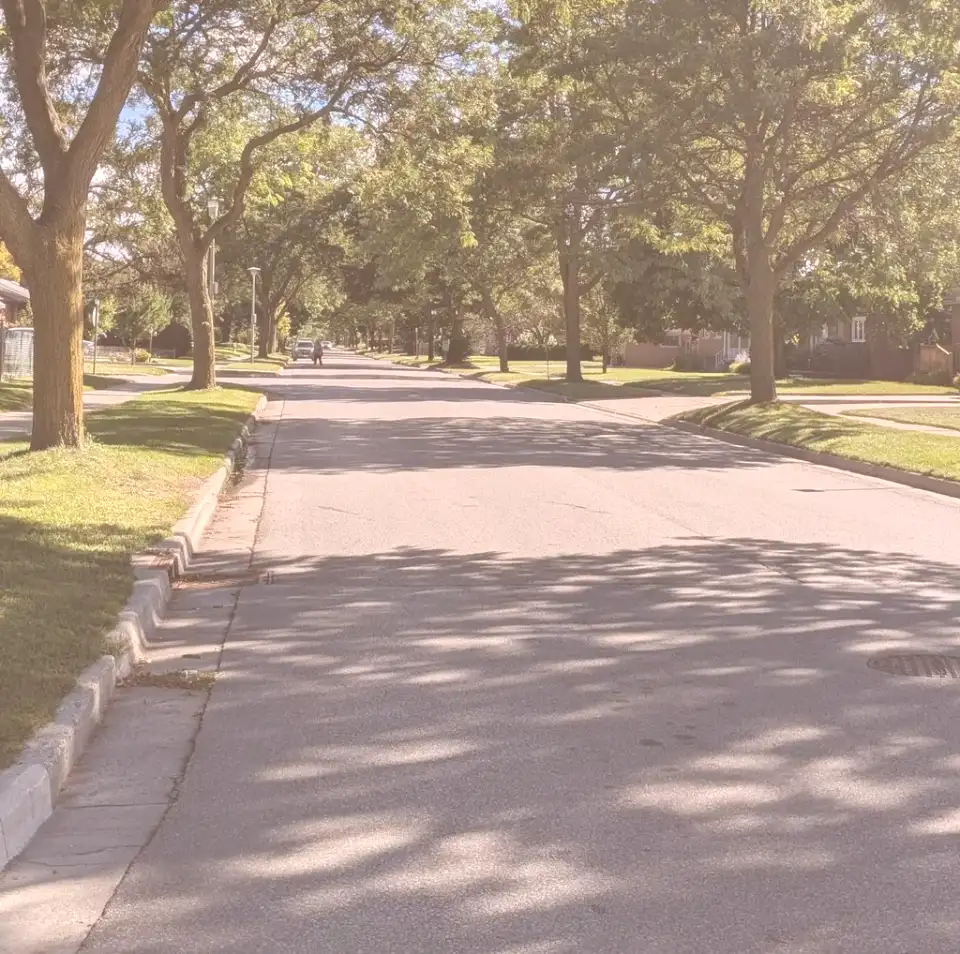
Ask the provider what goes down near doors, play areas and gardens, and when people and pets can use those spots again. Liquids or dusts go into the opening itself.
A provider in a suit, veil and gloves can work right beside an active yellowjacket colony. Without that gear, nobody should be standing next to the nest.
Some providers use a thermal camera when a nest may be in a wall or ceiling. Ask how a reading is checked before work begins.
Yellowjackets travel a straight route between the nest and their food. Watching that route from far back tells the provider where the hole is and how busy.
Most providers pick dawn or dusk, when the colony is mostly inside. Timing for your property, and how long to stay away afterward, is the provider's call.
IPM combines inspection, targeted treatment, nest removal and later checks instead of leaning on a single product. It also covers closing gaps a colony could use next year.
With the colony dead, a hanging nest can come down and a ground nest can be dug out where that is safe. Ask what happens to the remains afterward.
AgriLife advises against sealing a wall-void entrance until the colony is eliminated. After that, ask the provider how to close the gap so a new colony is less likely to move in.
A small flag beside the hole keeps feet and mowers off it until the colony is confirmed dead. Ask how long to leave the flag up.
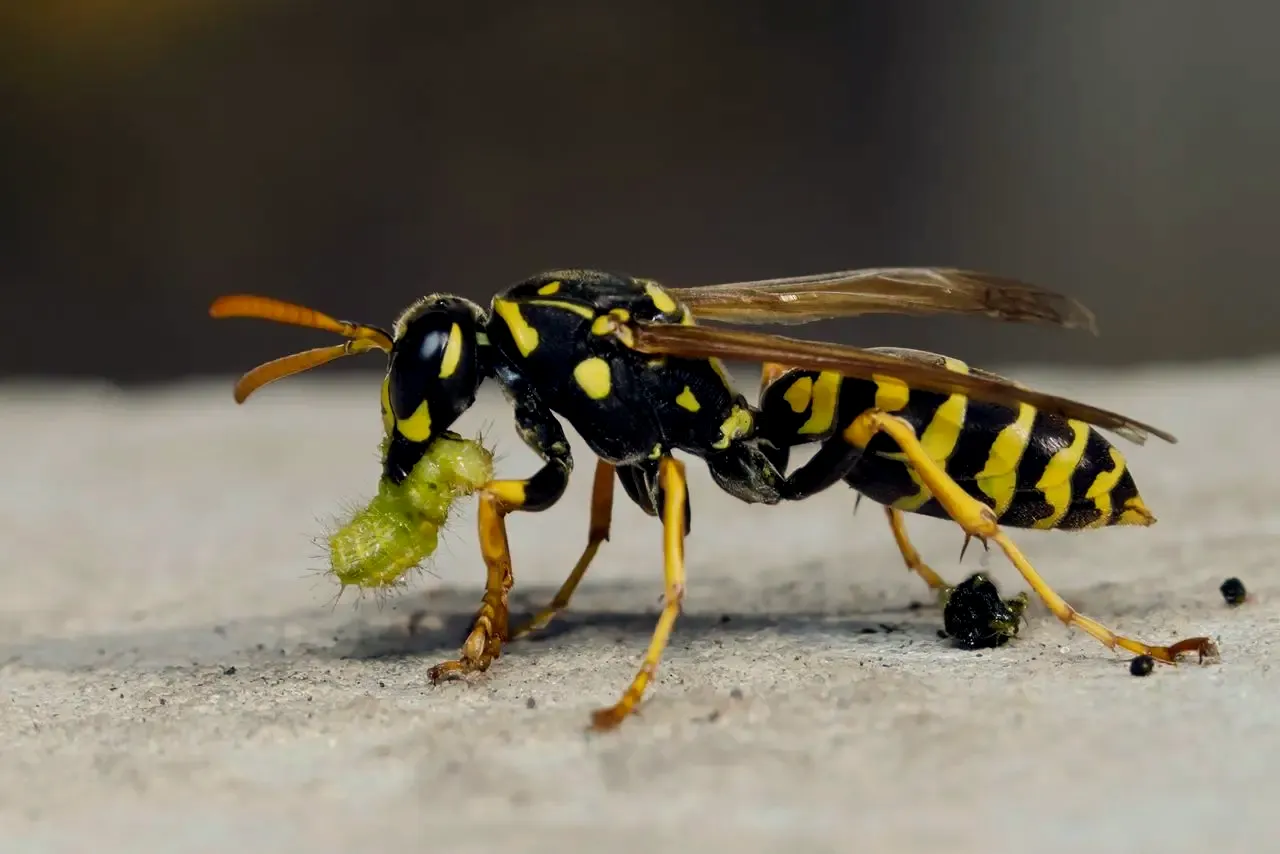
The renter puts it in writing to the property manager, who arranges entry to the balcony, the exterior wall and any shared areas. Typically the provider finds the hole, treats through it and does not seal the gap while wasps are still using it. A brief note for the manager's file helps, and the units on either side may need a look.
A provider typically flags the hole, treats the colony at the entrance and walks the yard for a second nest. Everyone should stay back until the provider says the spot is safe. If someone stung has trouble breathing or swelling in the face or throat, call 911.
A wall colony needs a different plan from a ground nest. The provider usually traces the outside entrance and treats through it, then checks the room for strays that slip indoors. Leave the gap open, skip any spray into the wall, and let the provider decide whether the comb can be reached later.
Ask if the work can be done outside business hours, what goes down near the walkway and how long it stays taped off. A dated note for the business file and a return check that suits the work week are worth requesting. The provider decides when staff and customers can safely use that walkway again.
Housing in Pasadena decides a lot about how yellowjacket jobs go. The city counts 53,756 housing units, and the median one was built in 1977. Roughly 23.4 percent predate 1960 and 56.7 percent predate 1980; just 6.8 percent are from 2010 on. One day a provider may be tracing a colony behind loose siding on an older Stadium Estates house, the next a hole beside a slab in Baywood Oaks. Renters occupy 45.5 percent of homes, and 30.5 percent of units sit in buildings with five or more units, where breezeways, balconies and long soffits shelter nests and the property manager typically handles entry to shared areas and outer walls. Colonies reach full size by August or September. Per AgriLife, the first hard frost kills most yellowjacket nests, yet in mild winters a nest may not be abandoned and can become a larger perennial colony. Houston Hobby Airport, the NWS climate site nearest Pasadena, averages only 4.2 days a year at or below 32°F (1991–2020 normal). If a ground or wall nest is the problem, the referral line connects you with an independent local provider. No Pasadena permit for wasp nest removal was found; check the provider on the Texas Department of Agriculture's current-license list.
Stadium Estates sits in 77502. Ground nests show up along fences and slab edges, and providers also look at gaps in the siding, trim and soffits of each house.
Baywood Oaks is in 77505. Yellowjackets here often use lawns, flower beds and gaps behind siding, so providers trace the flight line to the hole before treating.
Red Bluff Terrace and Pasadena Gardens. Providers check yards, porches and play areas here for ground nests hidden in the grass.
Two 77503 neighborhoods close to Berkshire Village and Golden Acres. A provider often checks shared fences and the next yard over for a second colony.
With 30.5 percent of Pasadena's units in buildings with five or more units, wall voids, balcony gaps and breezeways see their share of nests. Ask whether neighboring buildings get a look.
Older siding, worn trim and gaps around vents and utility lines give yellowjackets easy entries. The colony is treated through its gap, which is sealed only after it dies.
AgriLife puts the colony peak at August or September, exactly when lawns get mowed and edged most. A hidden hole by a bed or fence is easy to hit then.
The first hard frost kills most yellowjacket nests, but in mild winters a nest may not be abandoned. Houston Hobby Airport averages just 4.2 days a year at or below 32°F.
A typical case: wasps keep disappearing into a crack beside a second-floor balcony. The manager checks with residents and learns the traffic has been seen from three units.
Treatment goes in through the crack, which stays open until the wasps stop. A return check then shows whether the colony is finished.
Afterward: Residents keep balcony doors closed and report any steady traffic to the manager. After the provider confirms the colony is dead, the crack can be filled.
A typical case: a homeowner edging the back fence line cuts into a ground nest, and wasps pour out. No one is badly hurt, but the hole sits right where the family walks every day.
The provider may flag and treat the nest, then check the rest of the property for another colony. Cost depends on how many nests there are and how reachable.
Afterward: Leave the flag where it is until the provider confirms the colony is gone. In summer, walk the yard every few weeks and watch for wasps streaming into one hole.
A typical case: wasps start appearing indoors near a ceiling light, and a faint hum comes from one wall. Outside, a line of yellowjackets enters a split in the siding.
The provider treats through the outside opening and leaves it open until the traffic stops. A return check shows whether more work is needed.
Afterward: Leave the gap open and keep sprays away from the wall. Once the provider says the colony is dead, seal the opening and check siding joints and vents each spring.
A yellowjacket colony keeps adding workers for as long as it is left alone. Common situations include the ones below, at houses, duplexes and apartment buildings.
A ground nest is easy to overlook until a mower or edger rolls across it. The workers defend the entrance, and several stings can land at once. Move away, keep others back and leave the job unfinished for now. A provider usually finds the hole, treats the colony and walks the yard in case a second nest is close by. If someone stung has trouble breathing or swelling in the face or throat, call 911.
Balconies, stairwells, breezeways and shared soffits give wasps sheltered spots above several front doors, and a colony in a shared wall can send wasps past more than one unit. Spraying from one apartment seldom gets to the nest. A provider usually finds the outside entrance, treats there and checks the neighboring units. Ask the property manager to arrange access so every affected balcony is covered.
Stacked stone, timber edging and retaining walls leave hollow spaces right next to patios and walkways. The nest itself can sit a foot or more behind the hole you see, so a quick spray never gets there. A provider usually treats at the entrance, then watches for ongoing traffic and comes back if needed. Ask whether the wall can be taken apart after the colony dies.
A can of spray hits the wasps at the hole but rarely the colony below, and the survivors often get more aggressive. Filling the hole with water or soil can send them out through a new exit, now and then into the house. AgriLife says established colonies belong with professionals. Tell the provider exactly what was used and where.
The provider sets it once the nest has been seen
No cost is quoted on this site. For yellow jacket nest removal in Pasadena, TX, the provider sets the figure after a look at the property, depending on the number of nests, whether each sits underground, in a wall or up high, how big the colony has grown, whether the entrance needs attention later and whether a return check is planned. Get the plan and the total on paper before anything starts, spelling out what the first visit and any return trip include. A low figure deserves one more question: what happens if the wasps are still busy a few days later, because the return trip is often where the work is completed.
Ask how many visits are included, what product will be used and what happens if the entrance stays busy. Do not dig up or flood the nest beforehand; it makes the work slower and riskier.
A single colony takes less time than several scattered across the lawn, the fence and the house. Each added nest means more product and labor, so the total tends to rise with the count.
An early-season colony is quicker to deal with than a full-size nest in late summer. Bigger colonies can take extra product and another trip.
Open lawn is the simple case. A colony under a slab, behind brick or high in a wall needs ladders, panels or careful work around siding, which adds time.
A colony in a wall that several units share needs notices and entry for each one, which adds time. A quote for the whole building lets the manager see everything before booking.
Removing a dead nest, sealing an opening later or looking at other buildings can be separate line items. Ask the purpose of each, why it is recommended and which are optional.
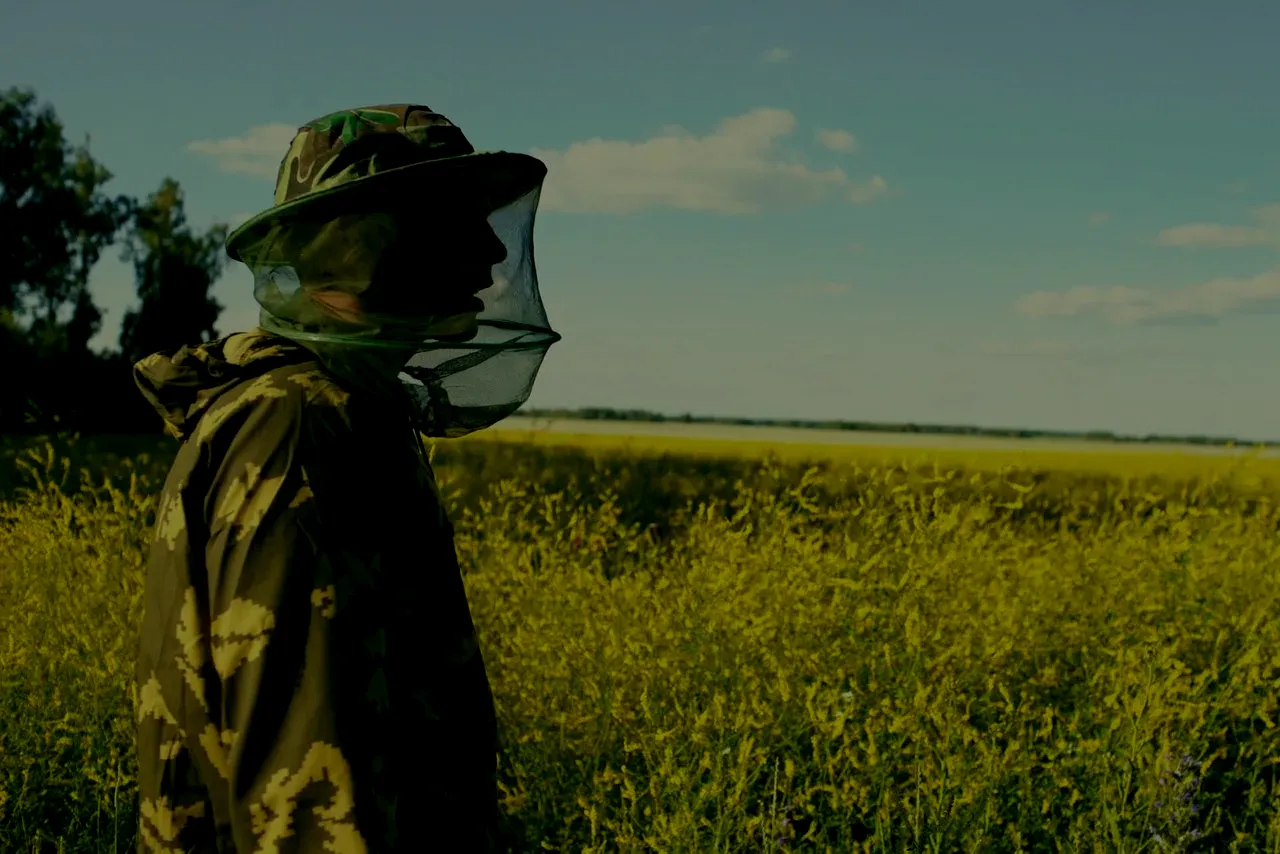
This site only refers calls. It performs no pest control and makes no promises about any provider. Texas licenses pest control businesses, certified applicators and technicians through the Department of Agriculture's Structural Pest Control Service, which posts current-license lists anyone can open. Make sure the provider appears there before any work. No Pasadena permit for wasp nest removal was found, and the city's Animal Control handles animals rather than insects, so the state license is the record to check. Ask the provider what will be applied near doors, play areas, pools and gardens, and how long people and pets should stay clear. If the nest turns out to belong to honey bees, call a registered beekeeper instead.
Yellowjackets keep vanishing into the dirt at the base of a fence this homeowner shares with the house next door. A provider can trace the hole, ask the neighbor before checking the far side, and say what goes into the ground and when the yard is usable again. A short return check is common, because foragers that were out on the first visit come home later.
Two tenants in the same small rental building tell their landlord that wasps are slipping into one exterior wall. A provider typically finds the gap, treats the colony there and does not seal anything until activity ends. The landlord can ask up front for a dated note per unit and the return-check date.
The renter on one side of a duplex has a jug of bleach ready for the hole wasps keep using in the shared yard. A better move is a written note to the landlord, keeping children and pets back, and letting a provider treat the colony. Plenty of ground nests are done in one visit and a quick follow-up look.
Ask the provider; the answer depends on the product and the spot. Most yellowjacket work targets the nest entrance instead of the whole lawn, so the treated area stays small. Children and pets should stay indoors until the provider gives the all-clear, and it helps to mention babies, allergies or health issues before the visit. For a stung child with trouble breathing or a swelling face or throat, call 911 immediately.
Use the time the provider sets, which depends on the product, the treated spot and how quickly the colony dies. Foragers coming home may circle the hole for a while, so give that patch a wide berth even after the rest of the yard is back in use. Ask whether the hole will be flagged and have the re-entry time written down before the provider goes.
Not until the colony is gone. Texas A&M AgriLife says a wall-void entrance generally should not be sealed before the colony has been eliminated, because trapped wasps may chew or wander toward the rooms inside. Treatment goes through the open gap, and after the provider confirms the colony is dead, closing it is the last step. Ask when that will happen.
Texas A&M AgriLife says colonies peak by August or September, and new queens and males emerge in October and November. The first hard frost kills most nests, but in sheltered spots or mild winters a nest may not be abandoned and can become a larger perennial colony. That matters here: Houston Hobby Airport, the NWS climate site nearest Pasadena, averages only 4.2 days a year at or below 32°F. A nest close to doors or play areas is rarely worth waiting out.
Question not covered here? Phone the referral line and a local provider can walk you through your options.
Ask the provider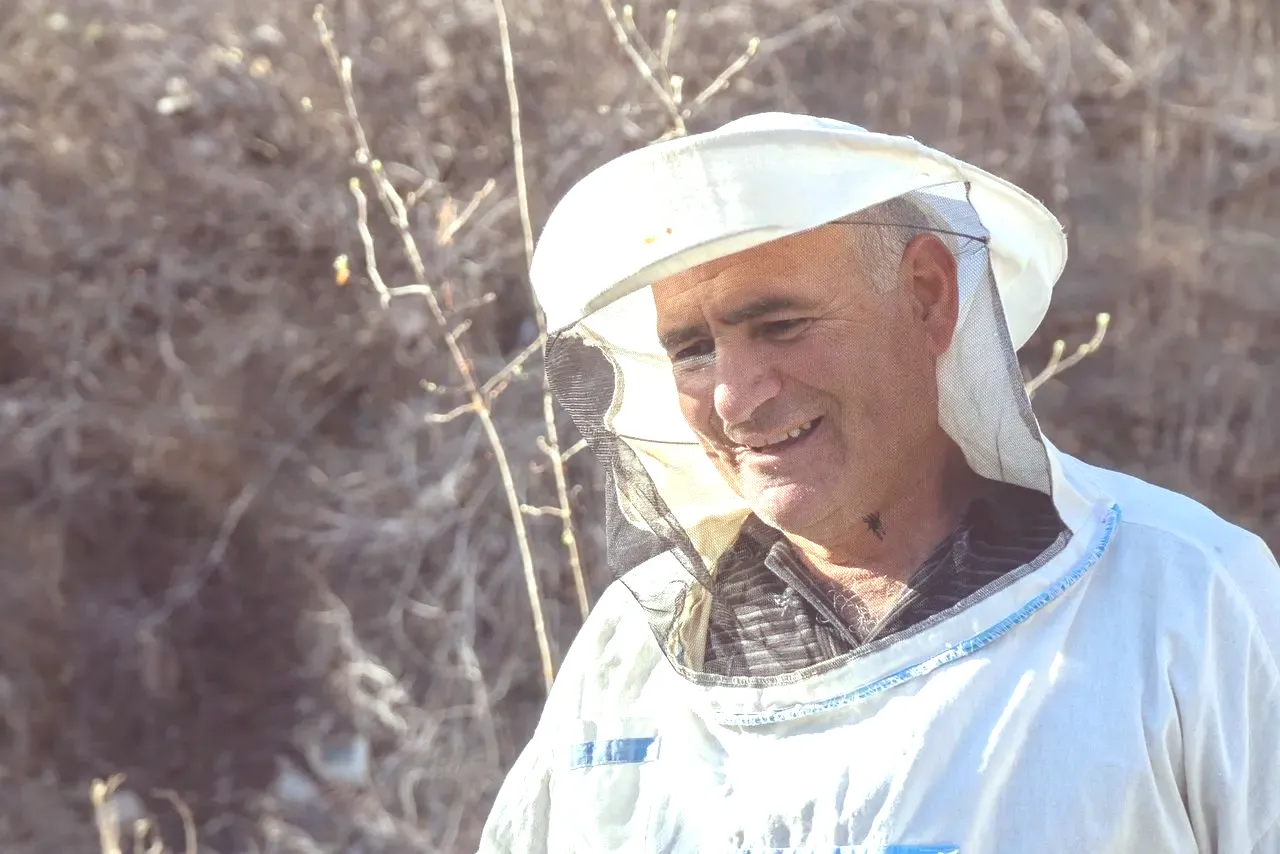
The first step is confirming which insect it is and where the nest sits, before anything is applied. Paper wasps, yellowjackets, baldfaced hornets and honey bees each need a different response, and honey bees go to a beekeeper. The inspection settles what gets treated.
View service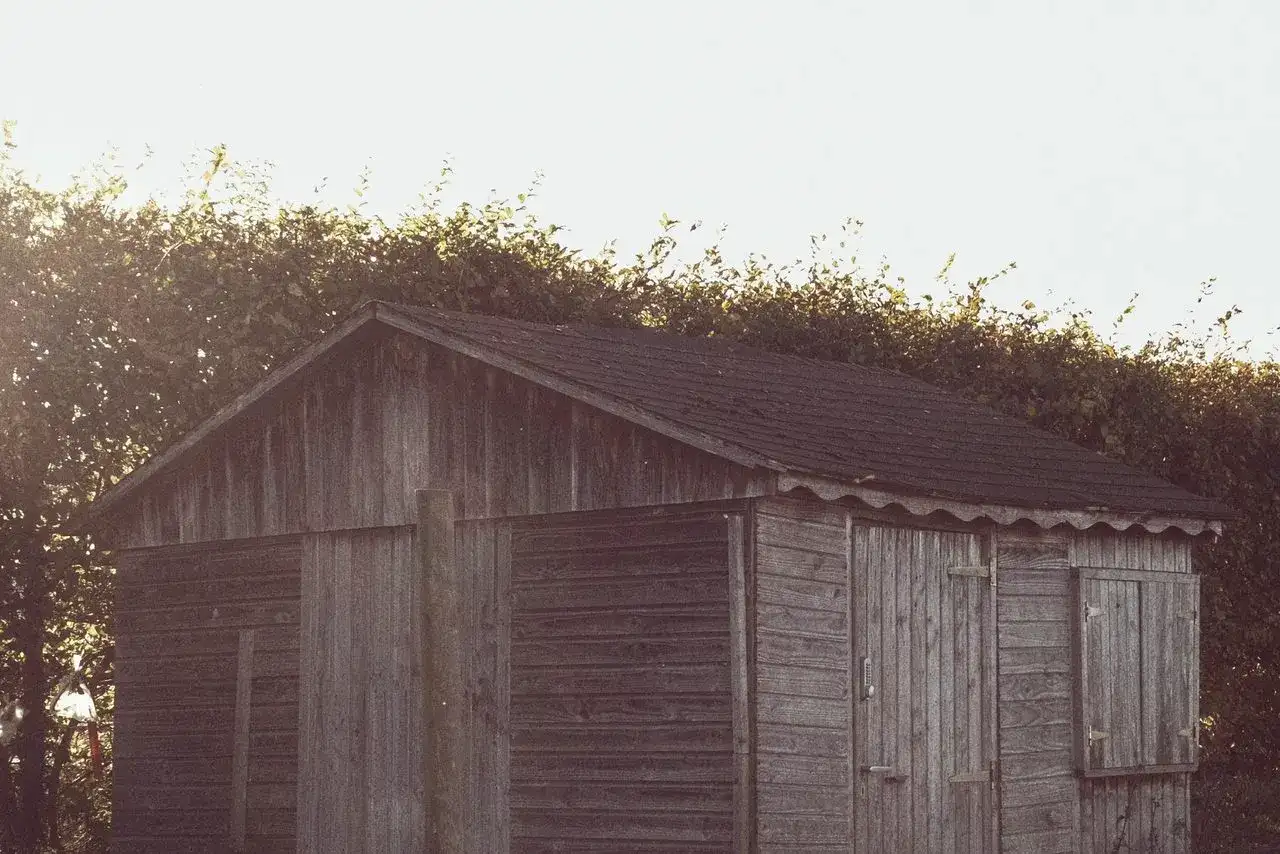
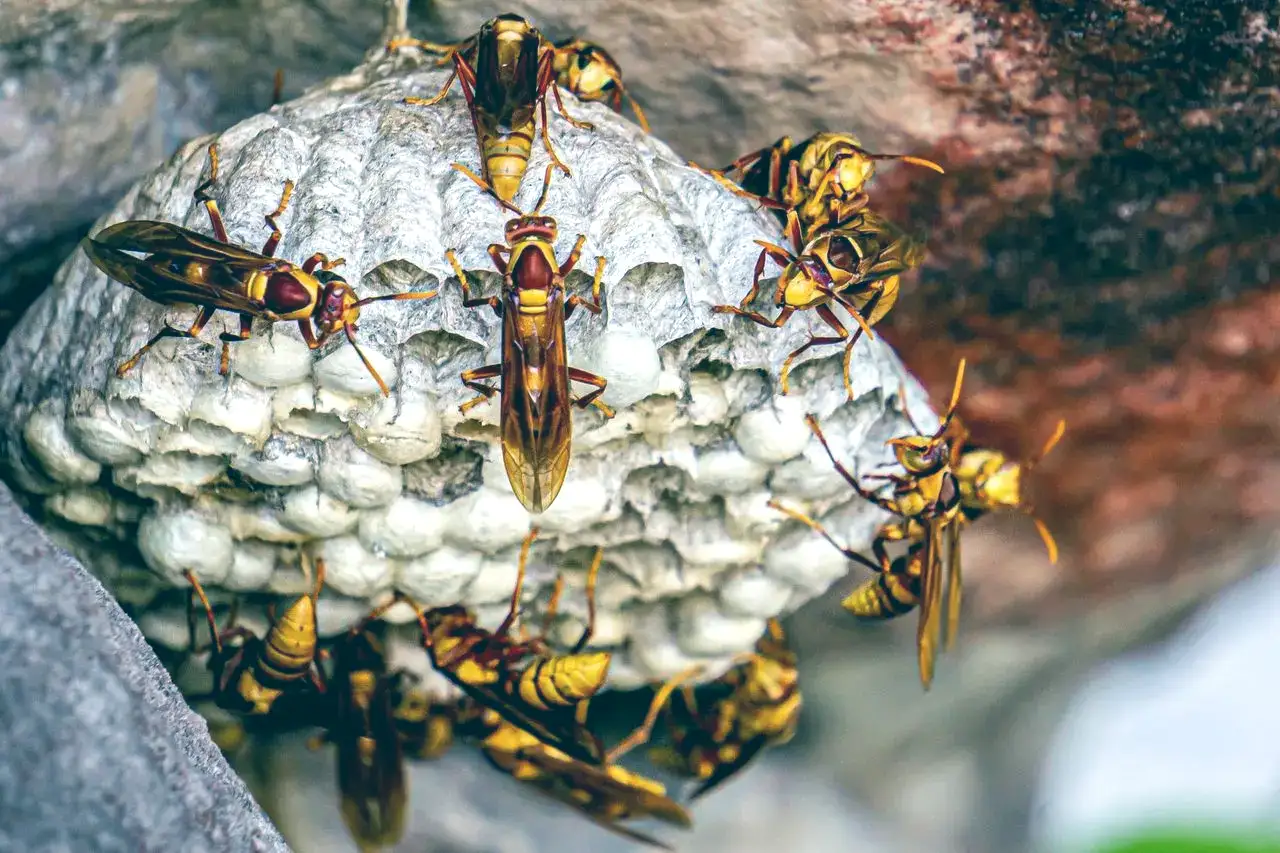
Texas has only one 'hornet', the baldfaced hornet, and it is really a yellowjacket. Its large, closed paper nests hang from trees, shrubs and eaves. AgriLife says established hornet colonies should be handled by professionals, not tackled from a ladder.
View service
Shared buildings need a wider plan. Tenants tell the manager about a nest, and the manager sets up entry to balconies, eaves and shared areas. With 45.5 percent of Pasadena's occupied homes rented, plenty of wasp calls begin that way.
View service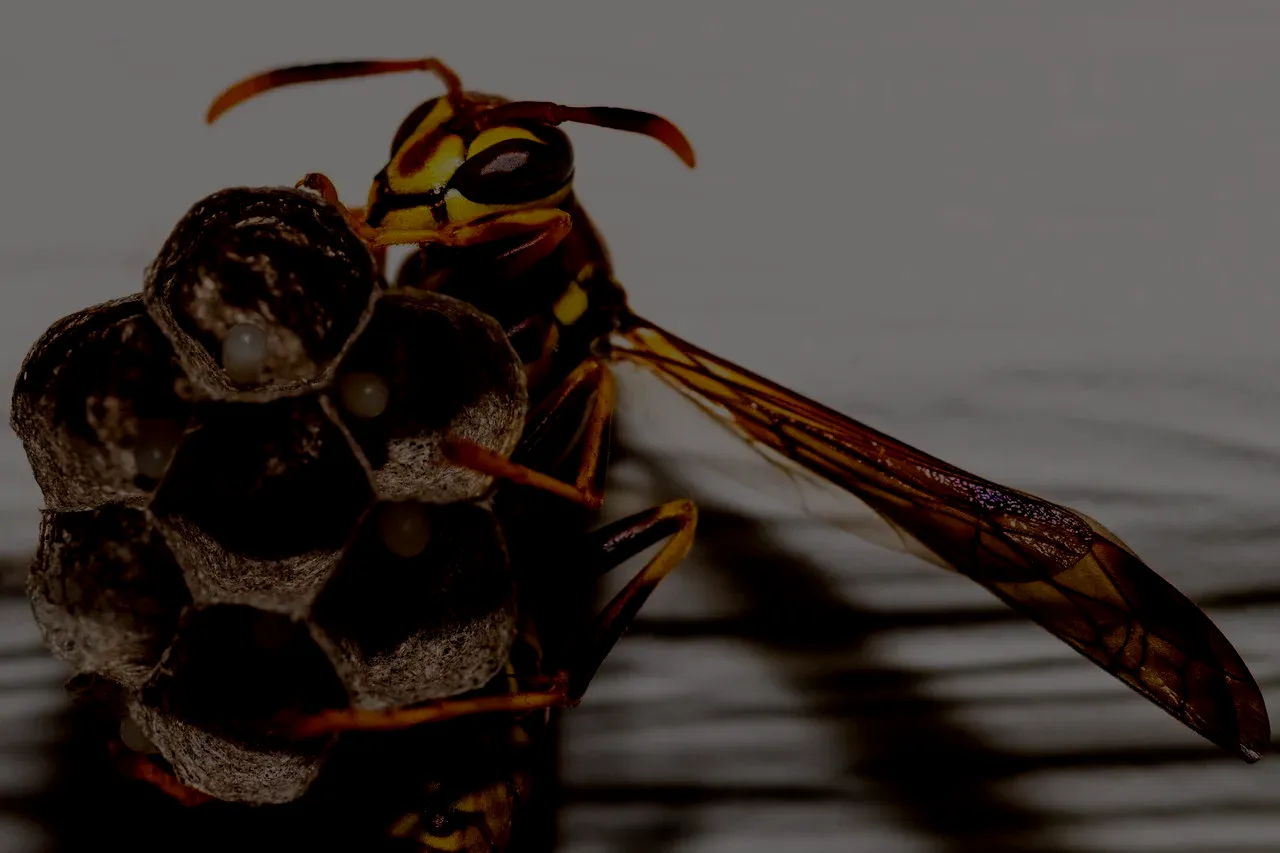
A new paper wasp queen often builds near last season's nest site. A later check of eaves, garages and sheds finds the new comb while it is small. Ask if the quote covers that return trip.
View serviceCalling the number above routes you through a call-tracking service to an independent provider serving Pasadena, and the call may be recorded. Calls are connected 6 a.m. to midnight Central Time (7 a.m. to 1 a.m. during daylight saving time). You and the provider settle the timing and the cost between you.